Coolant temperature technology.
PEX coolant temperature sensors are mapped to OE response curves so the engine control unit receives exactly the signal it expects across the full operating range.
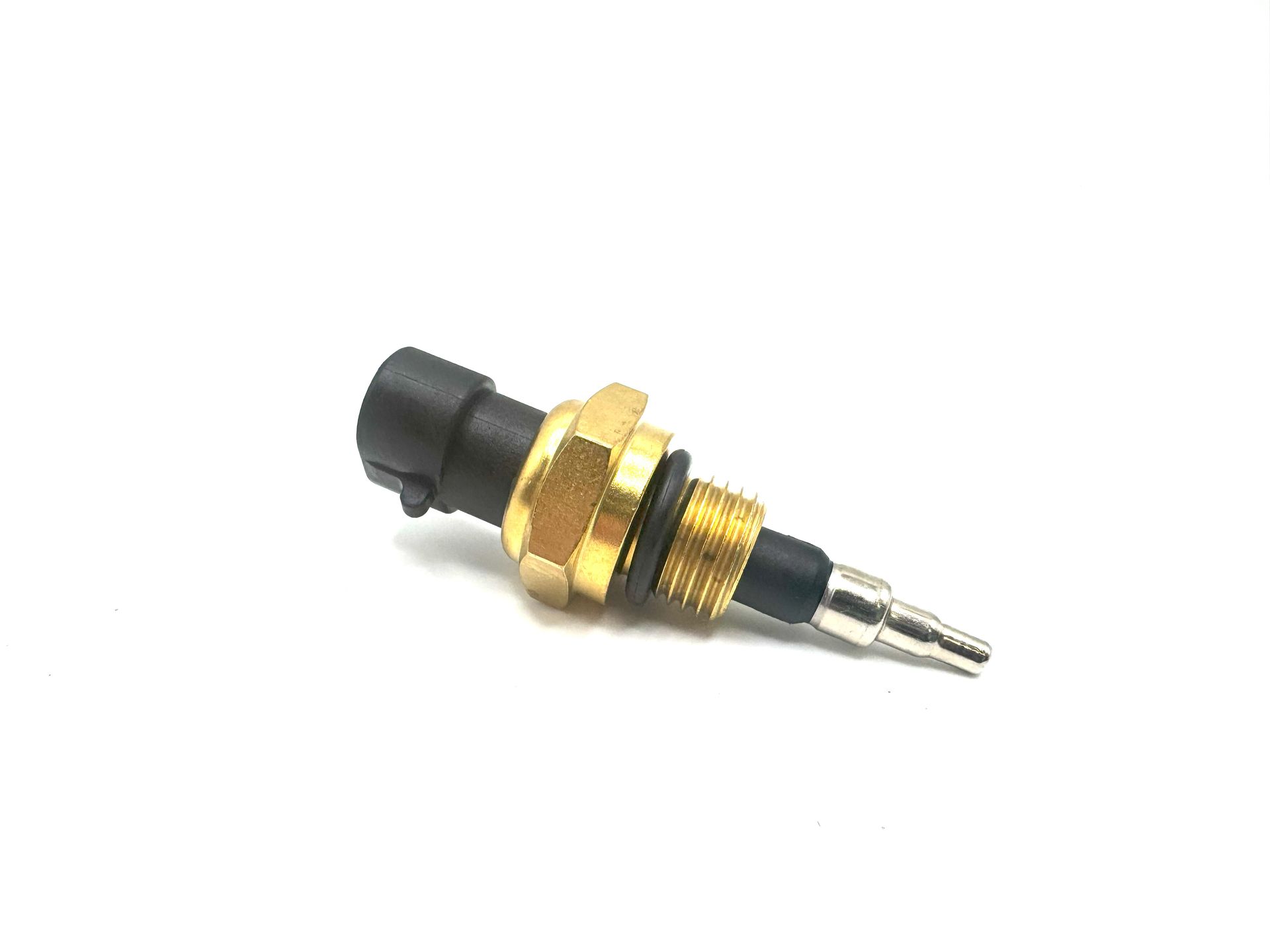
NTC Curve Matching
Each sensor is validated against the OE resistance-to-temperature curve, preventing the miscalculation and false faults caused by generic profiles.
Seal Integrity
Sealing surfaces and materials are specified to hold pressure and resist coolant chemistry over the service life.
PEX vs. conventional aftermarket.
| Feature | Standard Aftermarket | PEX Standards |
|---|---|---|
| Response Curve | Generic NTC profile | Matched to OE resistance curve |
| Seal Material | Basic O-ring | Coolant-resistant specification |
| Testing Protocol | Batch sampling | 100% individual functional screening |
| Housing | Standard plastic | Thermally stable engineered polymer |
Failure analysis: reading faults.
A drifting coolant temperature signal affects fuelling, cooling and protection logic. PEX engineers against:
Curve Mismatch
Generic NTC profiles report the wrong temperature to the ECU. PEX matches the OE curve.
Seal Failure
Degraded seals cause coolant weeping and unreliable readings. PEX specifies coolant-resistant sealing.
Thermal Ageing
Repeated heat cycling shifts cheap elements out of tolerance. PEX validates stability across the range.
Evaluating PEX as a supplier?
Request coverage data, line-card information, and distribution terms. Tell us the platforms you support and we will come back with what we cover.