Speed & position sensors.
Driveline intelligence. PEX vehicle speed and position sensors provide the rotational and positional data that transmission, engine timing, and control systems rely on.
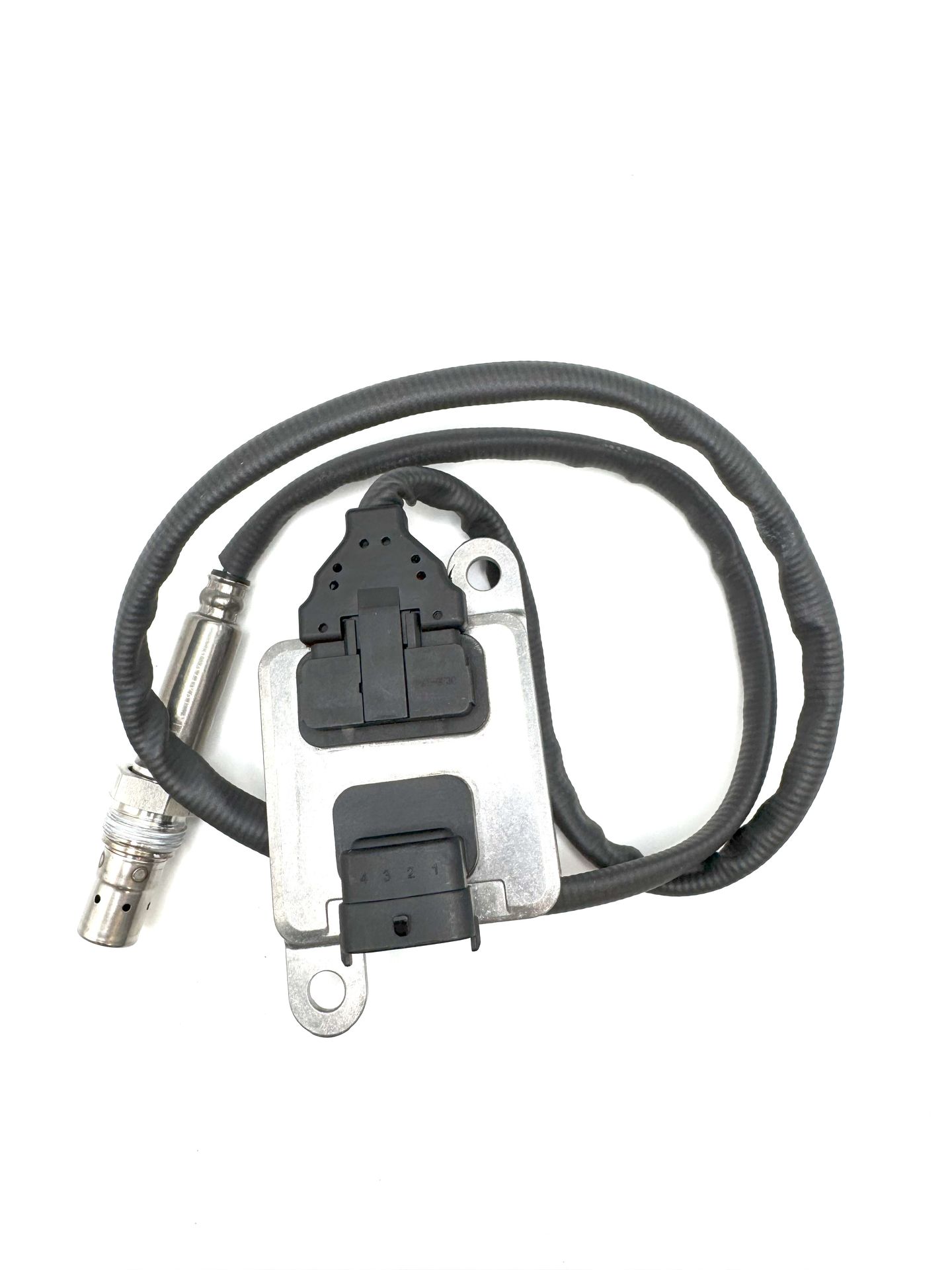
What a speed or position sensor does.
Vehicle speed sensors report driveline or output-shaft rotation, feeding the speedometer, transmission control, and vehicle-management systems. Position sensors — such as crankshaft, camshaft, and throttle/pedal position — tell the ECU precisely where components are in their cycle, which is essential for timing and control.
When these signals drop out or become erratic, the results range from a dead speedometer to hard shifting, poor timing, or a no-start. PEX supplies OE-matched speed and position sensors for reliable driveline monitoring.
Signs of a failing speed or position sensor.
Catching a failing sensor early prevents downtime and cascading damage. Common warning signs include:
- Inaccurate or dead speedometer.
- Harsh, delayed, or erratic shifting.
- Check engine light with speed/position fault codes.
- Rough running or no-start from a failed crank/cam position signal.
- Cruise control or telematics faults.
How it's diagnosed.
Diagnosis starts with fault codes that identify the specific speed or position circuit. A technician checks the sensor's signal output, air gap (where applicable), and wiring, and inspects the trigger wheel or tone ring for damage.
Because position sensors are timing-critical, confirming a clean, correctly-timed signal is essential before returning the vehicle to service.
How to replace a speed or position sensor.
A general guide for technicians. Location varies by sensor type and driveline. Always follow the service manual, especially for timing-critical position sensors.
Tools & materials
- Basic hand tools (socket set, ratchet, torque wrench)
- Jack and jack stands, or a lift
- OBD-II / J1939 scan tool to read and clear codes
- Wire brush and contact cleaner
- Replacement PEX speed or position sensor
Safety first
Park on level ground, chock the wheels, and never work under a vehicle supported only by a jack. Allow hot components to cool and relieve system pressure where applicable. Disconnect the battery if the service manual calls for it.
The steps
- Identify the sensor. Use fault codes to determine which speed or position sensor is at fault.
- Access the sensor. Locate it on the transmission, transfer case, or engine as applicable; clean the area before removal.
- Disconnect. Unplug the connector and release the harness from its clips.
- Remove the old sensor. Unbolt or unthread and withdraw, noting the mounting depth/air gap where relevant.
- Install the new PEX sensor. Seat correctly, set the air gap if adjustable, and torque to spec.
- Reconnect and route. Reconnect and secure the harness clear of moving or hot parts.
- Clear codes and test. Clear faults and verify accurate speed reading, correct shifting, or proper timing as applicable.
Why it matters to your operation.
Fleets
For fleets, speed and position faults can sideline a truck — from a failed inspection on a dead speedometer to a no-start from a crank sensor. Reliable PEX sensors keep drivelines reporting accurately and trucks earning.
Distributors
PEX offers distributors OE-matched speed and position sensors for common heavy-duty driveline applications — dependable coverage of a specialized category at aftermarket value.
Common questions.
Can a speed sensor affect shifting?
Yes. Transmission control relies on speed input; a faulty signal can cause harsh, delayed, or erratic shifts.
Why can a position sensor cause a no-start?
Crankshaft and camshaft position signals are essential for ignition and fuel timing. Without a valid signal, the ECU may not allow the engine to start.
How do I choose the right sensor?
Use the OE or cross-reference number — speed and position sensors are application-specific and not interchangeable.
Speed & position: 0 parts.
Our most-referenced parts, with photos first. Every part page shows its cross references and a quick fitment check.
Find your PEX speed or position sensor.
Find the exact speed or position sensor for your vehicle. Search by OE number, cross reference, or PEX part number.