NOx & emissions sensors.
Critical to emissions compliance and engine performance. PEX NOx and emissions sensors keep heavy-duty aftertreatment systems accurate, compliant, and out of derate — with 150+ references.
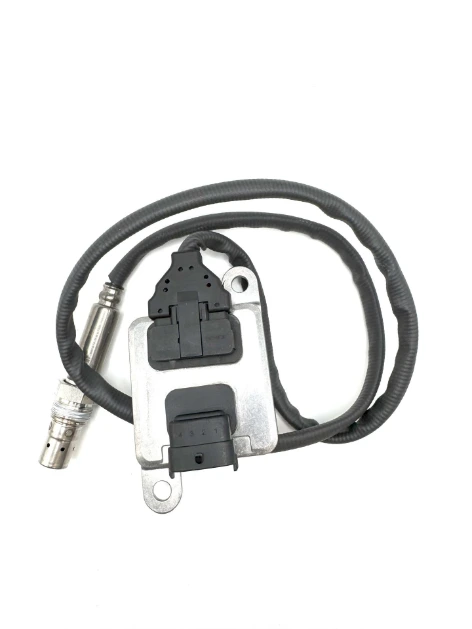
What a NOx sensor does.
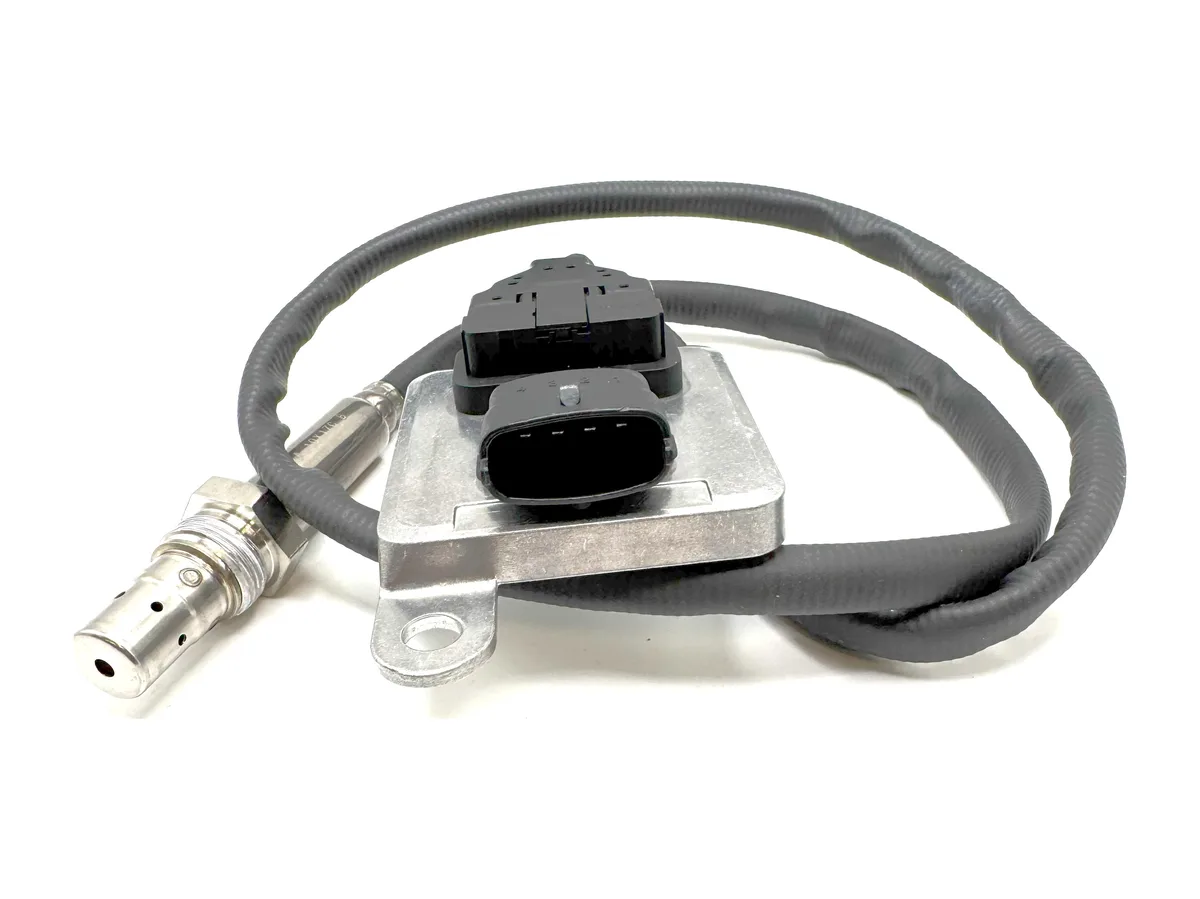
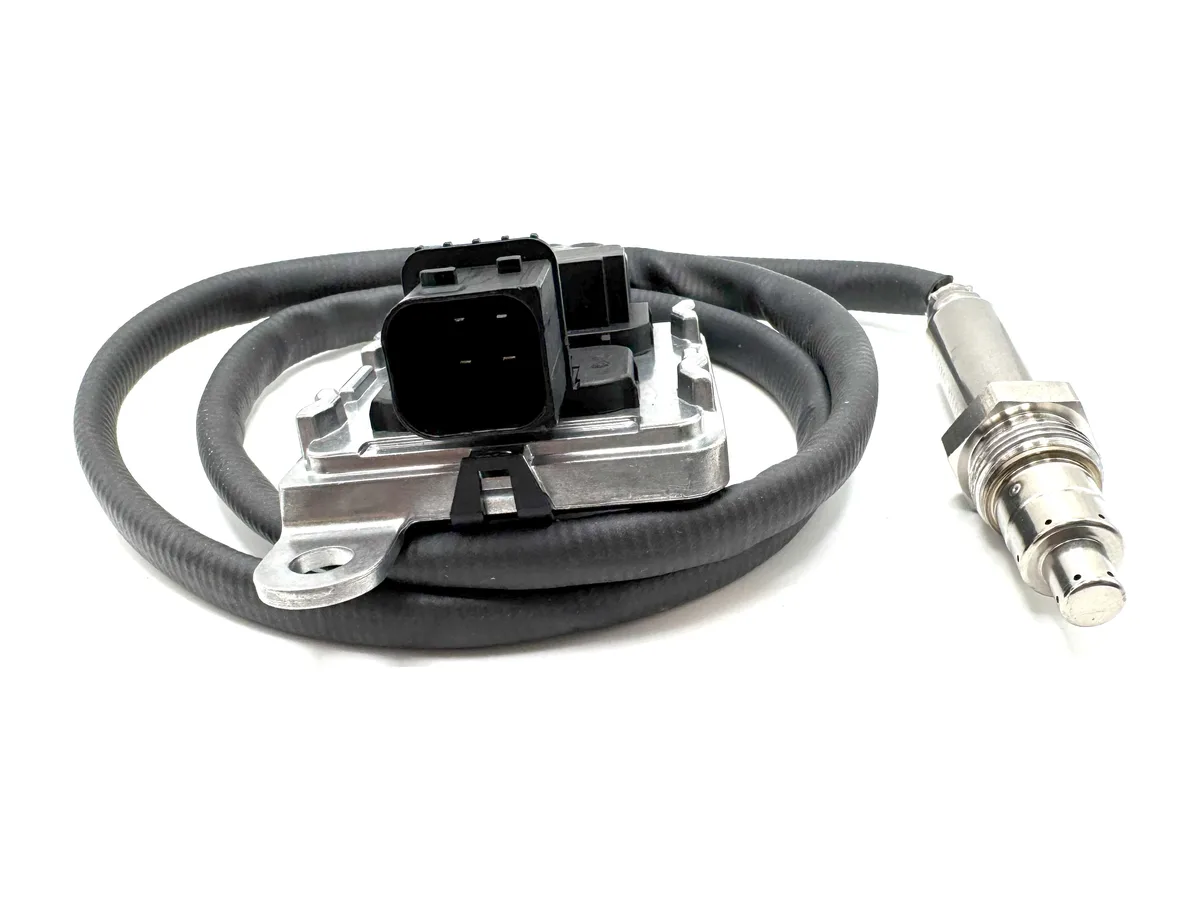
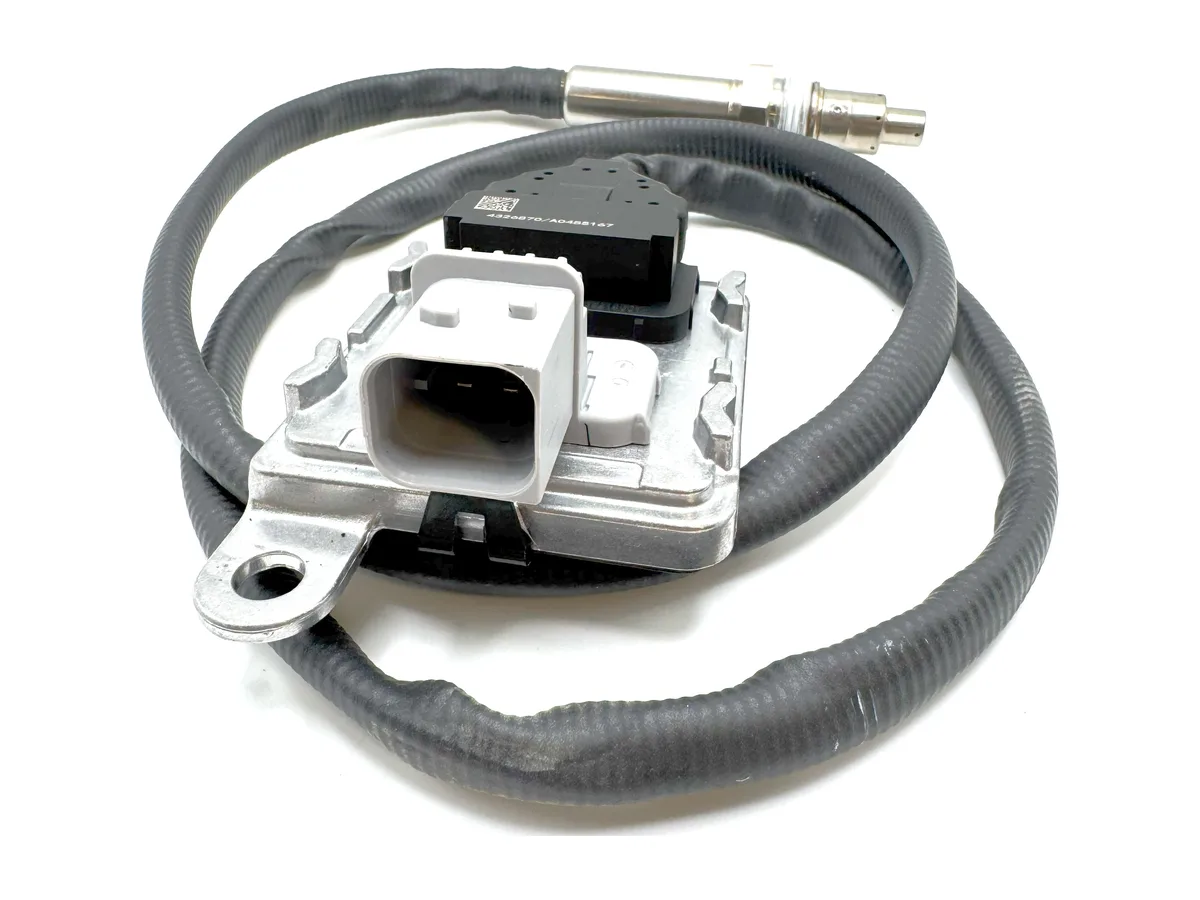
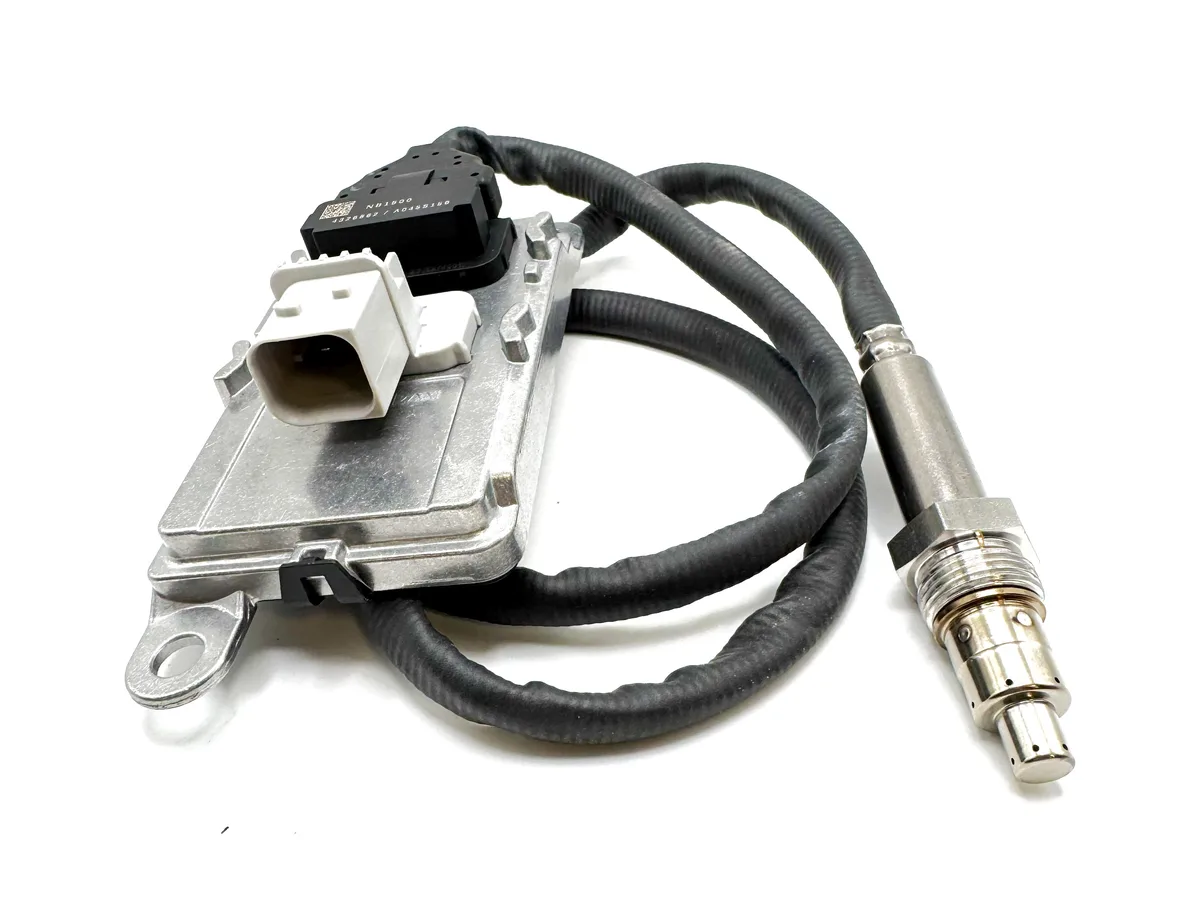
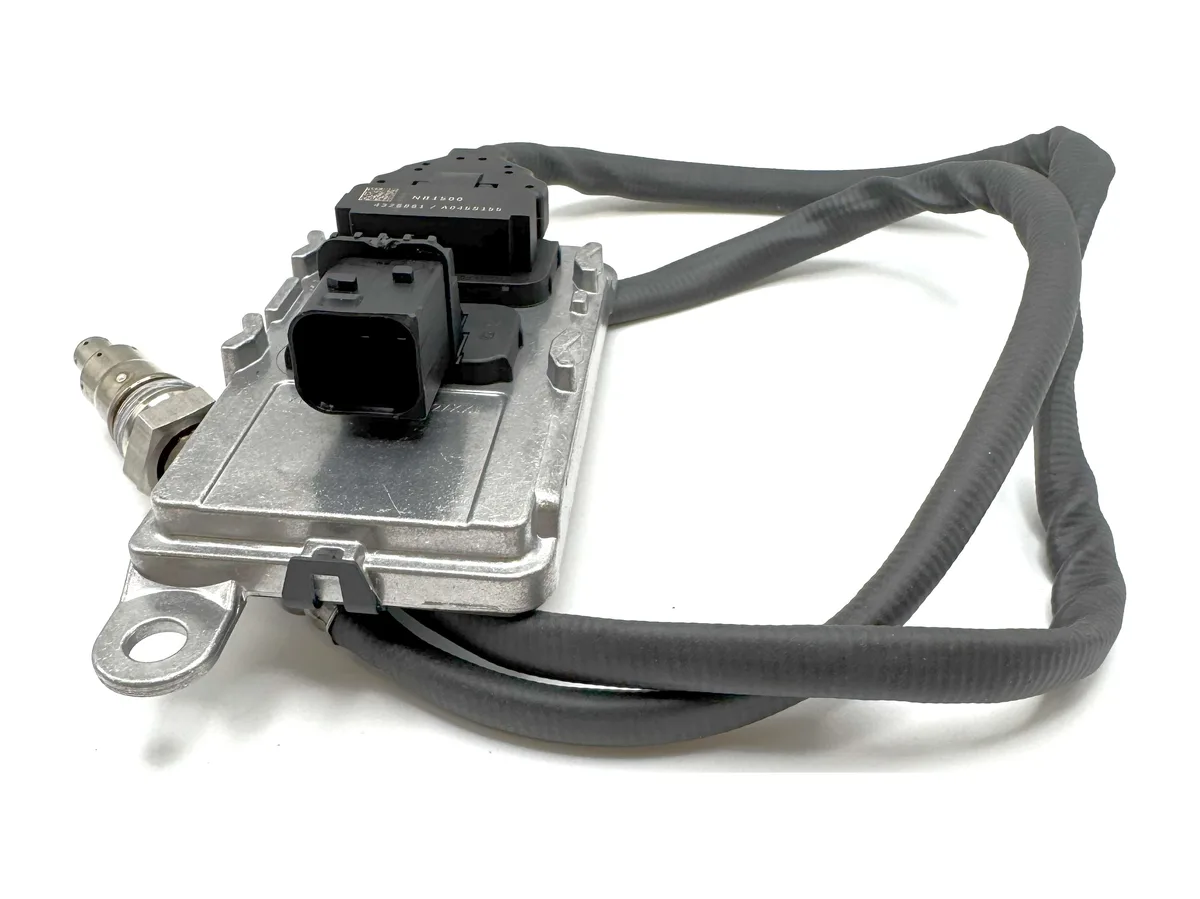
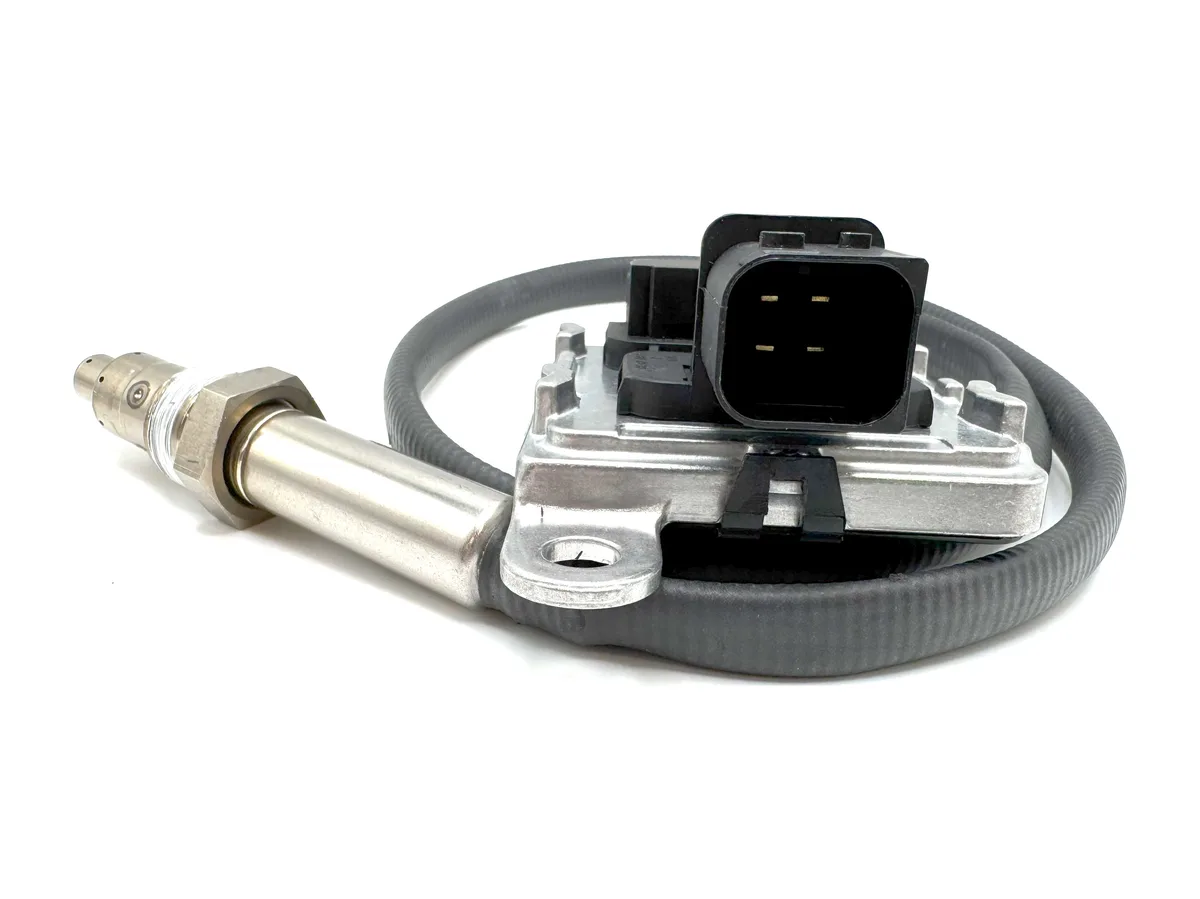
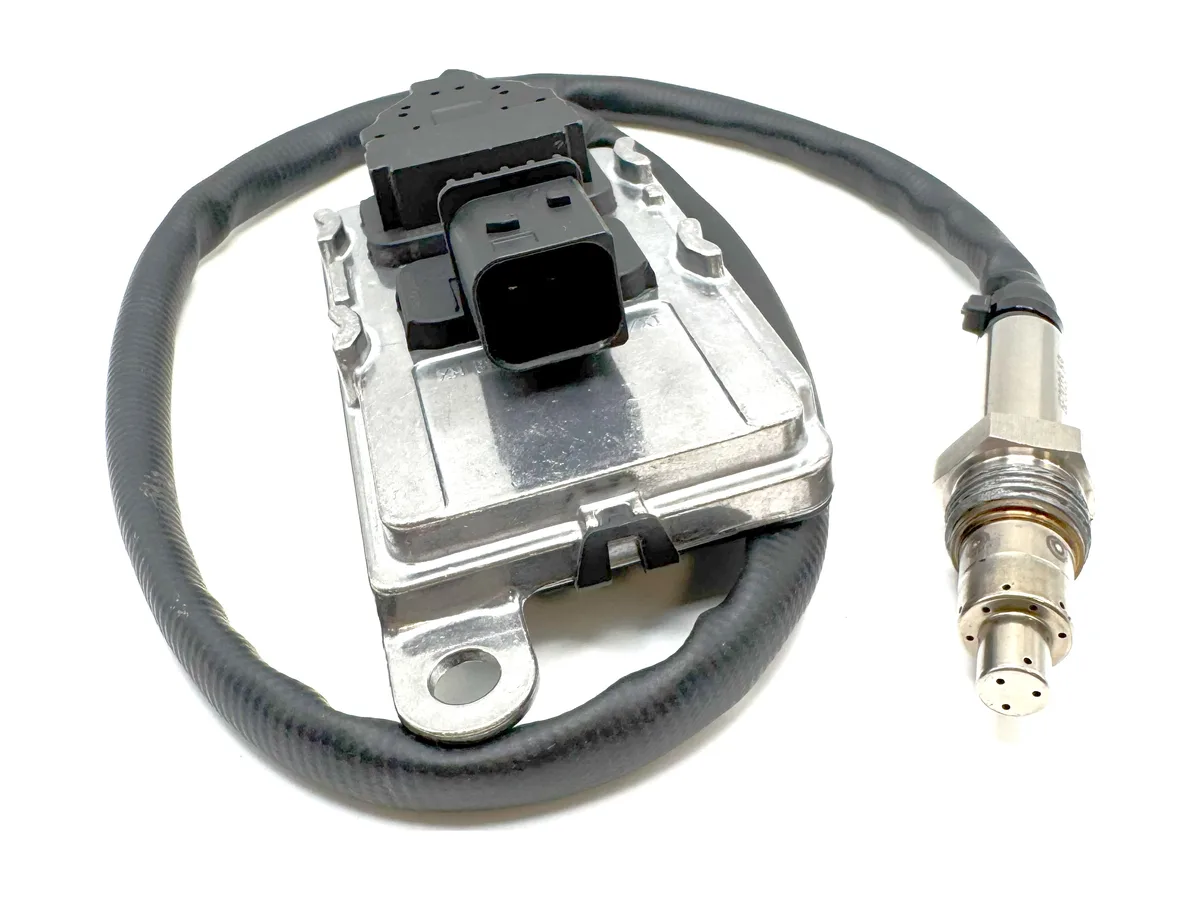
A NOx sensor measures nitrogen-oxide concentration in the exhaust stream, feeding the data the engine and aftertreatment systems need to dose DEF correctly and stay within emissions limits. Heavy-duty vehicles typically run upstream and downstream NOx sensors to monitor SCR performance.
Related emissions sensors — particulate matter (PM), exhaust gas temperature (EGT), and DPF pressure — round out the aftertreatment monitoring system. When any of these fail, the vehicle can log faults, lose efficiency, or enter a derate that limits power. PEX covers this full emissions group with OEM-grade replacements.
Signs of a failing NOx sensor.
Catching a failing sensor early prevents downtime and cascading damage. Common warning signs include:
- Check engine light with emissions-related fault codes.
- Engine derate / reduced power as the system protects itself.
- Increased DEF consumption or poor fuel economy.
- Failed emissions readings during inspection.
- SCR or aftertreatment fault warnings on the dash.
How it's diagnosed.
Diagnosis relies on reading fault codes and comparing upstream vs downstream sensor readings to judge SCR efficiency. A technician checks the sensor's signal, wiring, and connector, and inspects for exhaust leaks or contamination that can skew readings.
Because a derate can stem from several emissions components, correct diagnosis matters — replacing the right sensor (NOx, PM, EGT, or DPF pressure) resolves the fault without guesswork.
How to replace a NOx sensor.
A guide for technicians. NOx sensors involve both an exhaust-mounted probe and a control module. Always follow the vehicle service manual and observe exhaust-cooling safety.
Tools & materials
- Basic hand tools (socket set, ratchet, torque wrench)
- Jack and jack stands, or a lift
- OBD-II / J1939 scan tool to read and clear codes
- Wire brush and contact cleaner
- Replacement PEX NOx sensor
Safety first
Park on level ground, chock the wheels, and never work under a vehicle supported only by a jack. Allow hot components to cool and relieve system pressure where applicable. Disconnect the battery if the service manual calls for it.
The steps
- Confirm the faulty sensor. Use a scan tool to identify whether the upstream or downstream NOx sensor (or another emissions sensor) is at fault.
- Allow the exhaust to cool. Never work on a hot exhaust system — aftertreatment components retain heat.
- Locate the sensor and module. Trace the probe in the exhaust and its connected control module mounted nearby.
- Disconnect and remove. Unplug the connector, then unthread the sensor probe from its bung. Penetrating oil may help on seized threads.
- Install the new PEX sensor. Thread in the probe and torque to specification; mount the module and reconnect.
- Route the harness correctly. Keep the harness clear of hot surfaces and secure as original.
- Clear codes and verify. Clear faults, and confirm readings normalize and no derate remains after a road test.
Why it matters to your operation.
Fleets
For fleets, emissions faults mean derates, downtime, and compliance risk. Reliable PEX NOx and emissions sensors keep aftertreatment accurate and trucks out of limp mode — protecting both routes and regulatory standing.
Distributors
With 150+ NOx and emissions references, PEX gives distributors strong coverage of a high-demand, high-value category — OEM-grade quality at aftermarket margins, with cross-reference support to match the right part fast.
Common questions.
What's the difference between upstream and downstream NOx sensors?
The upstream sensor measures NOx before the SCR catalyst; the downstream sensor measures after. Comparing the two tells the system how effectively the SCR is reducing emissions.
Can a bad NOx sensor cause a derate?
Yes. When the system can't verify emissions performance, it often triggers a power derate to protect compliance. Replacing the faulty sensor typically clears it.
Does PEX cover the whole emissions group?
Yes — NOx, particulate matter, exhaust gas temperature, and DPF pressure sensors are all part of the PEX emissions range.
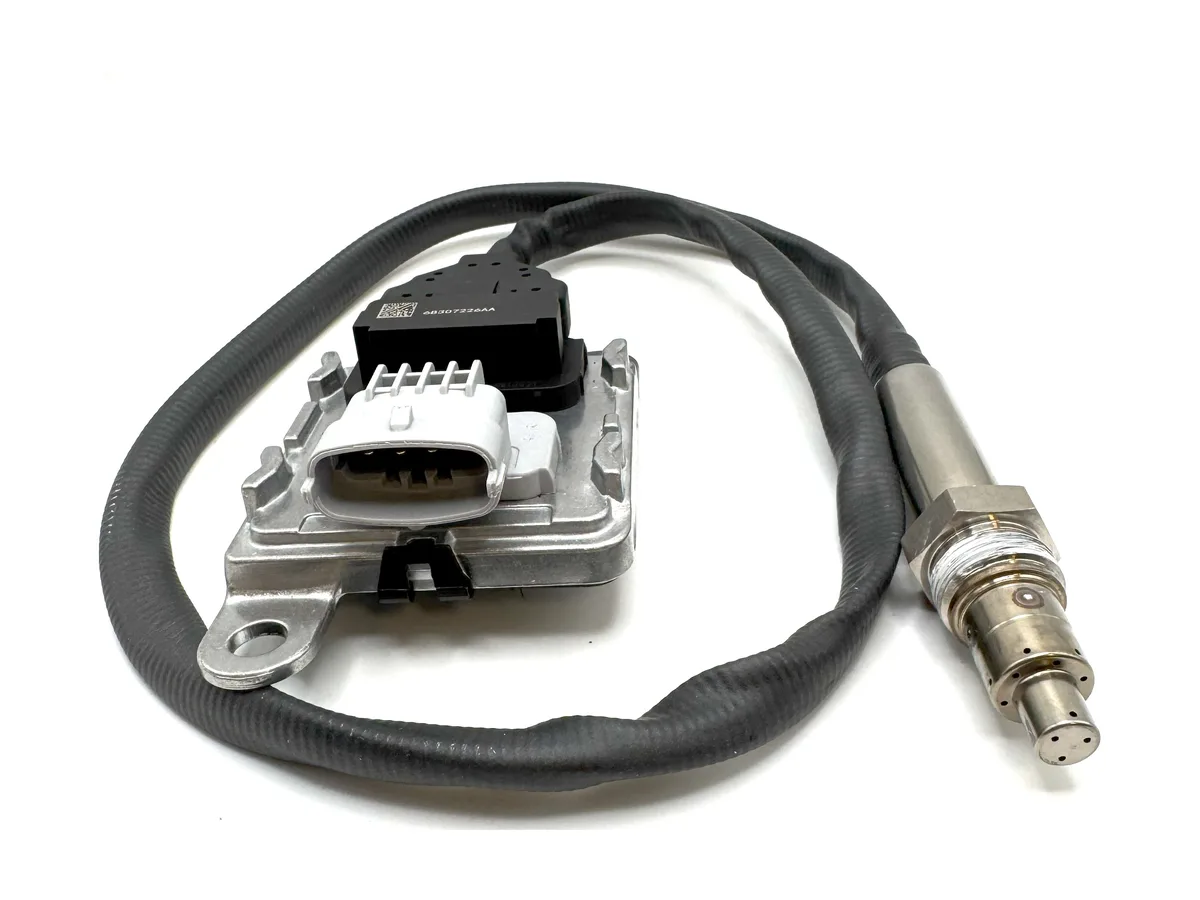
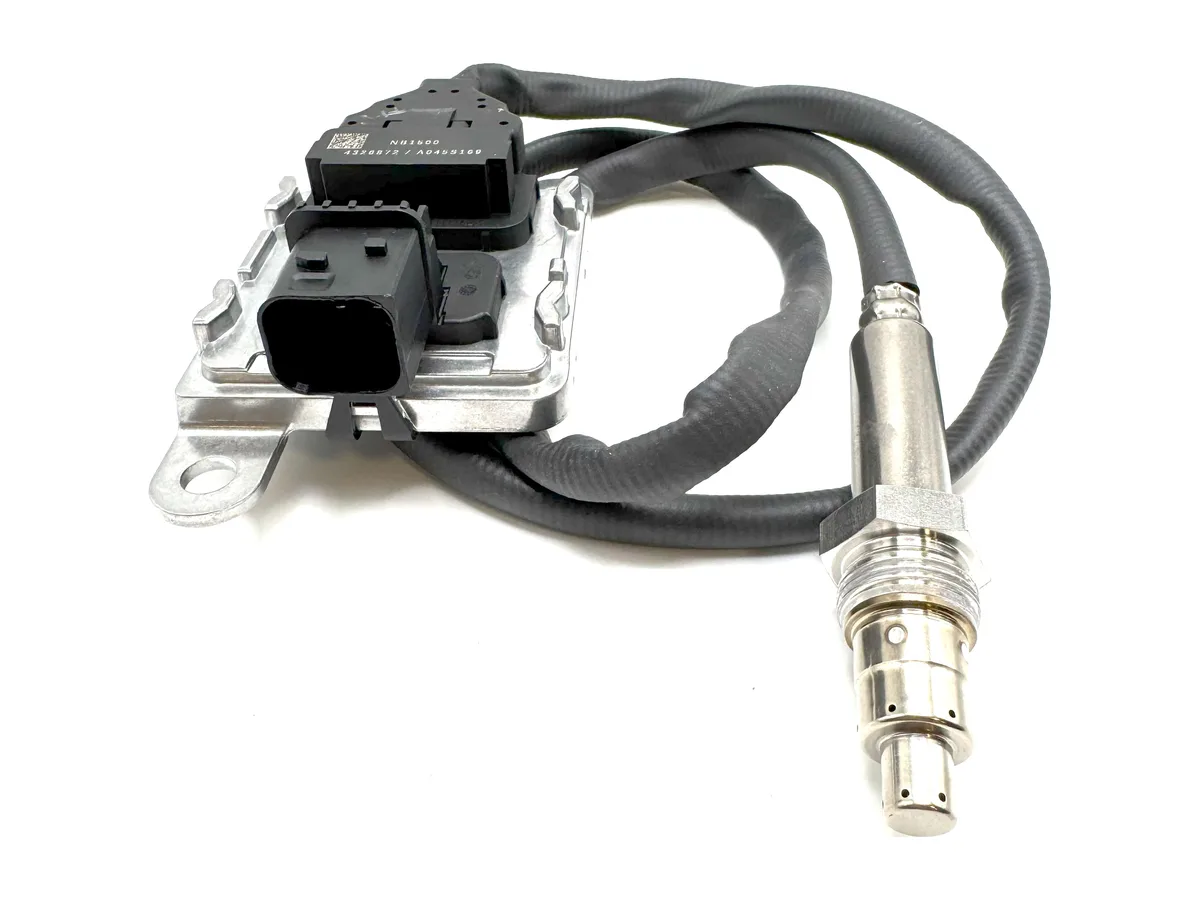
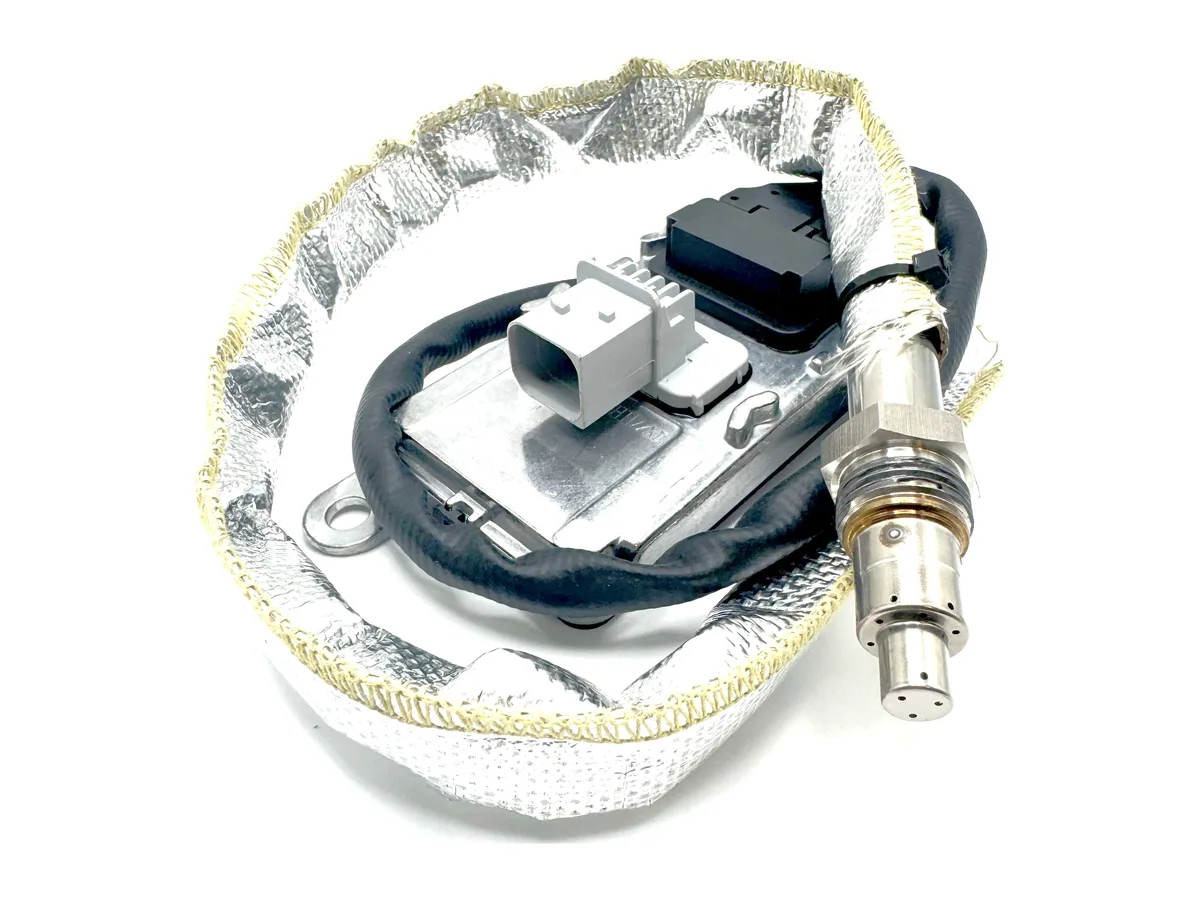
NOx sensors: 153 parts.
Our most-referenced parts, with photos first. Every part page shows its cross references and a quick fitment check.
Find your PEX NOx sensor.
Find the exact NOx or emissions sensor for your vehicle. Search by OE number, cross reference, or PEX part number.