pressure sensor technology.
PEX differential pressure sensors are validated across their full operating range so the aftertreatment system can judge soot loading accurately and trigger regeneration at the right time.
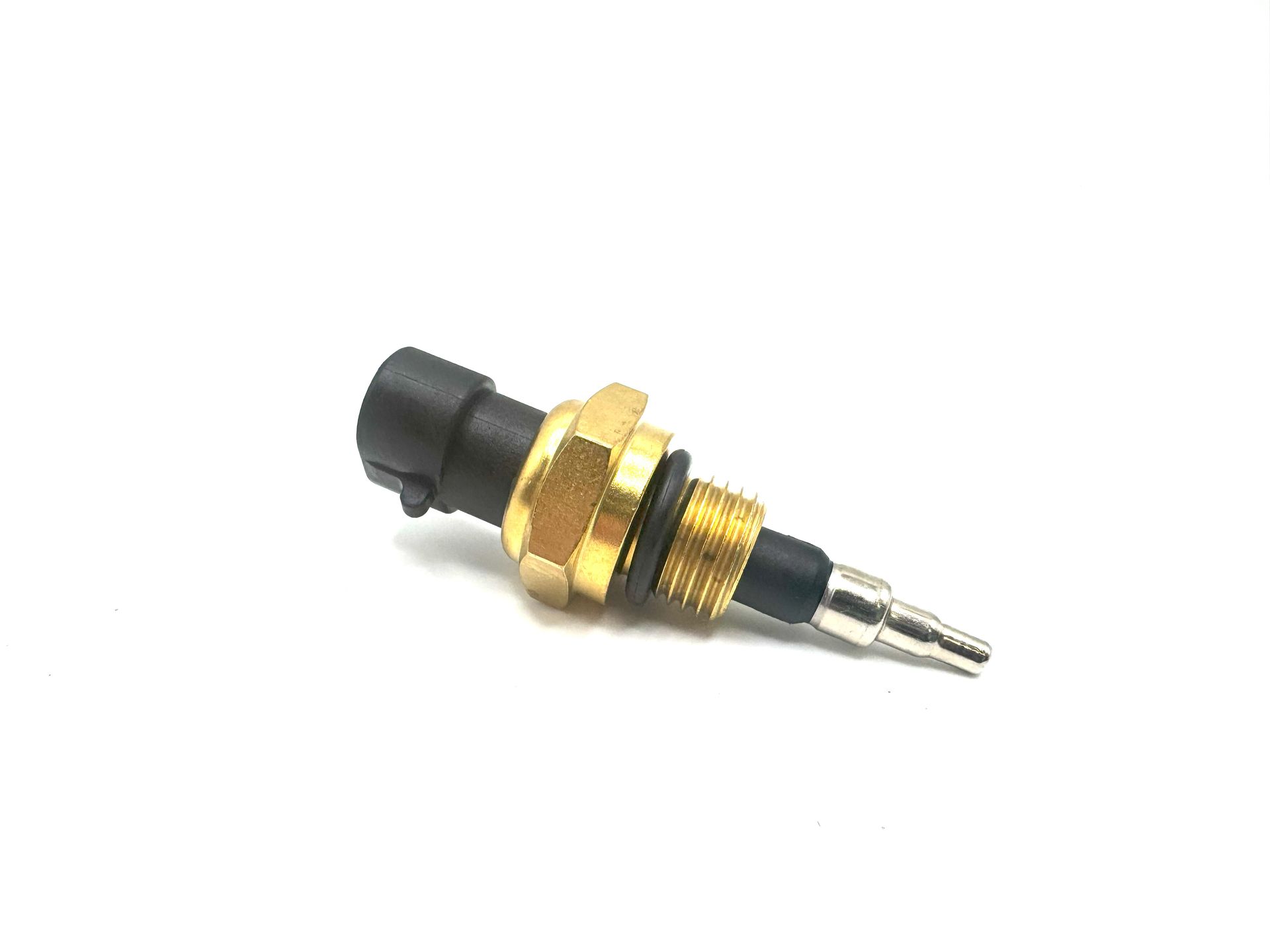
Pressure Accuracy
Each unit is verified against reference pressure points across the working range, so the reported differential matches what the control unit expects.
Contamination Resistance
Sensing ports and hoses are specified to resist soot and moisture ingress, the most common cause of drifting or stuck differential readings.
PEX vs. conventional aftermarket.
| Feature | Standard Aftermarket | PEX Standards |
|---|---|---|
| Calibration | Single-point check | Multi-point verification across range |
| Port Design | Generic fittings | Soot and moisture resistant specification |
| Testing Protocol | Batch sampling | 100% individual functional screening |
| Signal Output | Unverified curve | Validated against OE response curve |
Failure analysis: regeneration faults.
A drifting differential pressure signal causes incorrect regeneration behaviour. PEX engineers against these failure modes:
Port Blockage
Soot accumulation blocks sensing ports and freezes the reading. PEX specifies port geometry and hose material to resist build-up.
Calibration Drift
Single-point calibrated units drift at the extremes of the range. PEX verifies multiple points across the working range.
Moisture Damage
Condensate entering the sensing element corrupts readings. Sealing and material selection guard against ingress.
Evaluating PEX as a supplier?
Request coverage data, line-card information, and distribution terms. Tell us the platforms you support and we will come back with what we cover.