Level & specialty sensors.
Coverage for the rest of the vehicle. PEX fluid level sensors and specialty components fill out heavy-duty sensor coverage — the parts that keep everything else monitored.
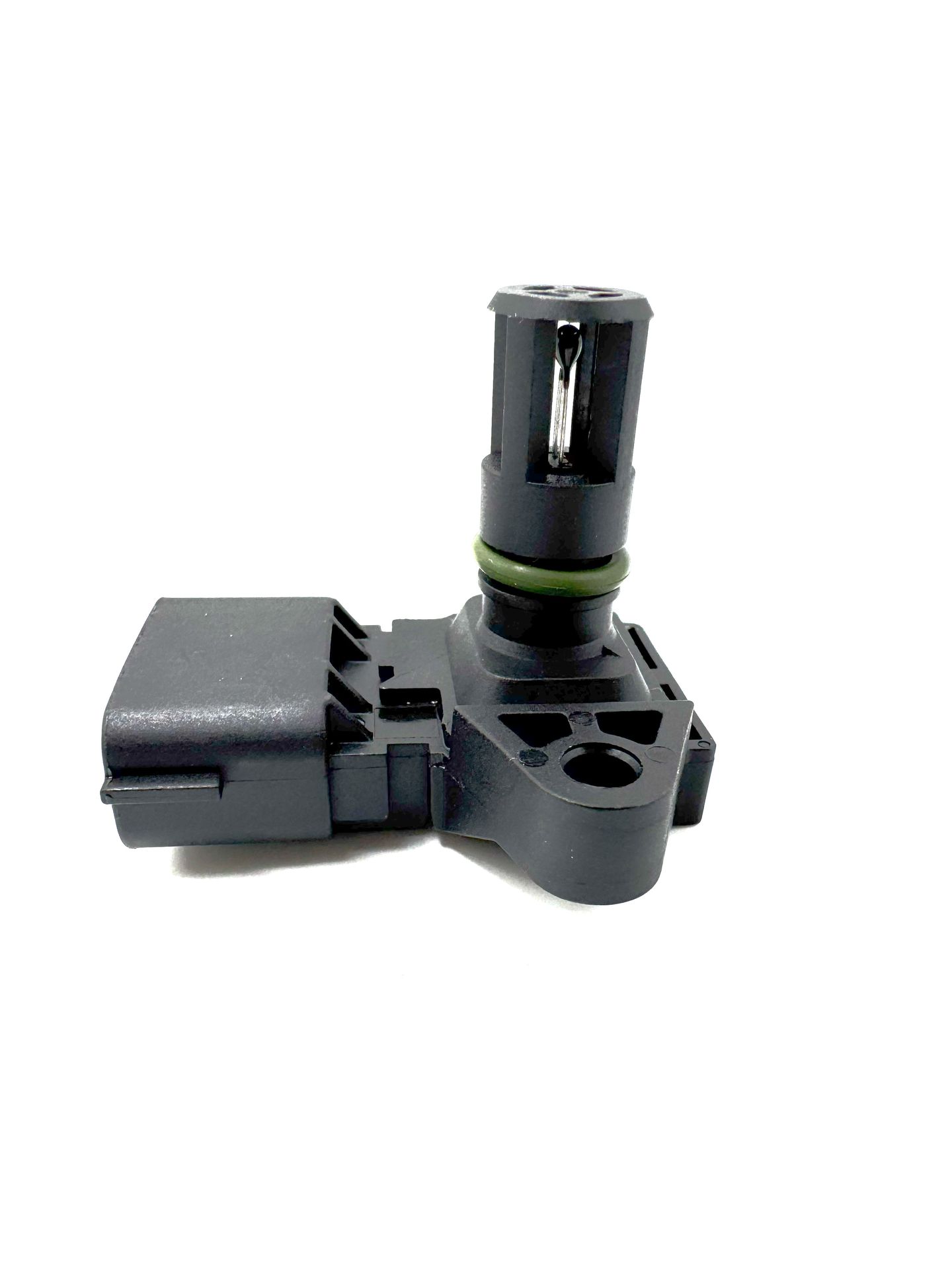
What a level sensor does.
Level sensors monitor fluid quantity — coolant, DEF, oil, fuel, and washer — warning the driver before a low level causes damage or downtime. Alongside them, PEX carries a range of specialty and service sensors and parts that complete heavy-duty coverage beyond the core categories.
These parts may be less glamorous than ABS or NOx sensors, but a false low-DEF warning or a failed coolant level sensor can still sideline a truck. PEX provides OEM-grade replacements across this long tail so you can source everything from one line.
Signs of a failing level sensor.
Catching a failing sensor early prevents downtime and cascading damage. Common warning signs include:
- Low-fluid warnings that stay on after topping up.
- No warning when a fluid genuinely is low (failed sensor).
- Erratic level gauge readings.
- Fault codes for a specific level or specialty circuit.
- Intermittent warnings from wiring or connector issues.
How it's diagnosed.
Diagnosis confirms whether the warning reflects an actual fluid level or a faulty sensor. A technician verifies the true level, then checks the sensor's output and wiring — float-style level sensors can stick, and connectors can corrode.
For specialty parts, matching the correct OE or cross-reference number is the key step, since these components are application-specific.
How to replace a level or specialty sensor.
A general guide for technicians. Access and procedure vary by fluid and component. Always follow the service manual and observe fluid-handling safety.
Tools & materials
- Basic hand tools (socket set, ratchet, torque wrench)
- Jack and jack stands, or a lift
- OBD-II / J1939 scan tool to read and clear codes
- Wire brush and contact cleaner
- Replacement PEX level sensor
Safety first
Park on level ground, chock the wheels, and never work under a vehicle supported only by a jack. Allow hot components to cool and relieve system pressure where applicable. Disconnect the battery if the service manual calls for it.
The steps
- Confirm the fault. Verify the true fluid level and use fault codes to identify the sensor at issue.
- Prepare the system. Where the sensor sits in a reservoir or tank, drain or lower the fluid as needed and catch any spillage.
- Access and disconnect. Reach the sensor, unplug the connector, and clean the surrounding area.
- Remove the old sensor. Unthread or unclip the sensor from its reservoir or mount.
- Install the new PEX part. Fit with the correct seal/gasket and secure to spec.
- Reconnect and refill. Reconnect the harness and restore fluid to the correct level.
- Clear codes and verify. Clear faults and confirm the warning clears and the level reads accurately.
Why it matters to your operation.
Fleets
For fleets, a stuck low-DEF or coolant warning can pull a truck out of service or mask a real problem. Reliable PEX level and specialty sensors keep monitoring accurate across the whole vehicle, not just the major systems.
Distributors
PEX rounds out its range with fluid level sensors and specialty service parts — letting distributors source the long tail of heavy-duty sensor coverage from a single OEM-grade line.
Common questions.
Why is my low-fluid warning still on after topping up?
A stuck or failed level sensor can report low even when the fluid is full. Verify the true level, then inspect the sensor and its wiring.
What counts as a "specialty" sensor?
It covers the parts outside the core categories — additional service sensors and components that complete heavy-duty coverage. Match by OE or cross-reference number.
Can I source everything from PEX?
That's the intent — the level and specialty range fills out coverage so you can source across the vehicle from one line.
Level & specialty: 1 parts.
Our most-referenced parts, with photos first. Every part page shows its cross references and a quick fitment check.
Find your PEX level sensor.
Find the exact level or specialty sensor for your vehicle. Search by OE number, cross reference, or PEX part number.