Temperature sensor technology.
PEX sensors are built and validated to report accurate exhaust temperatures under sustained thermal load, protecting aftertreatment components and regeneration control.
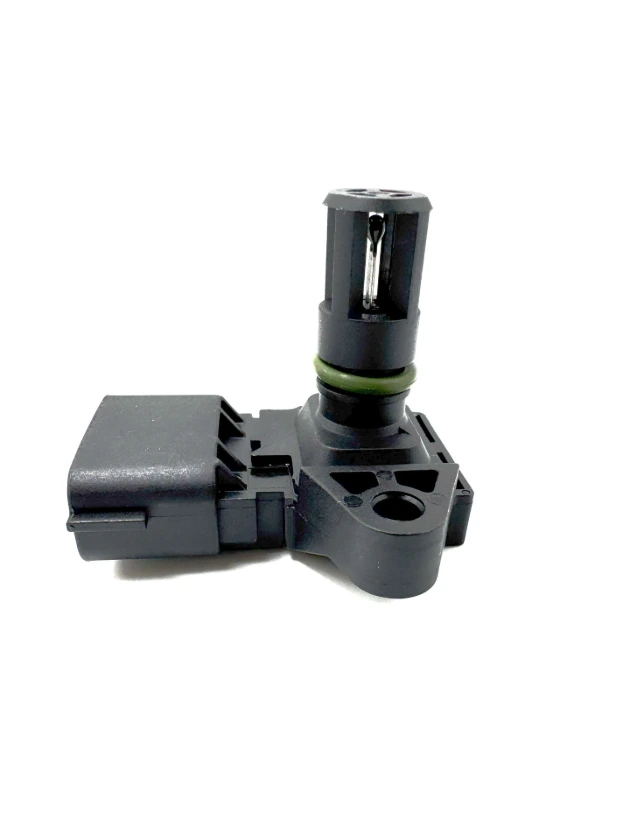
Thermal Response
Sensing elements are validated for response time and accuracy at elevated temperatures, so the control unit sees real exhaust conditions without lag.
Mechanical Durability
Probe construction and cable routing are specified to survive sustained heat and vibration in the exhaust environment.
PEX vs. conventional aftermarket.
| Feature | Standard Aftermarket | PEX Standards |
|---|---|---|
| Element Accuracy | Generic profile | Validated against OE response curve |
| Cable Rating | Standard insulation | High-temperature rated construction |
| Testing Protocol | Batch sampling | 100% individual functional screening |
| Probe Sealing | Basic fitment | Sealed against exhaust ingress |
Failure analysis: thermal faults.
faults can put a vehicle into derate. PEX validates against these failure modes:
Element Drift
Sustained heat shifts the element response. PEX validates accuracy at elevated temperatures, not just ambient.
Cable Failure
Standard insulation degrades close to the exhaust. PEX specifies high-temperature cable construction.
Connector Corrosion
Heat and moisture cycling corrode terminals, causing intermittent readings. Sealing and plating resist this.
Evaluating PEX as a supplier?
Request coverage data, line-card information, and distribution terms. Tell us the platforms you support and we will come back with what we cover.