Temperature & pressure sensors.
The engine’s feedback loop. PEX temperature and pressure sensors deliver the accurate, OE-matched readings heavy-duty engine management depends on for efficiency and protection.
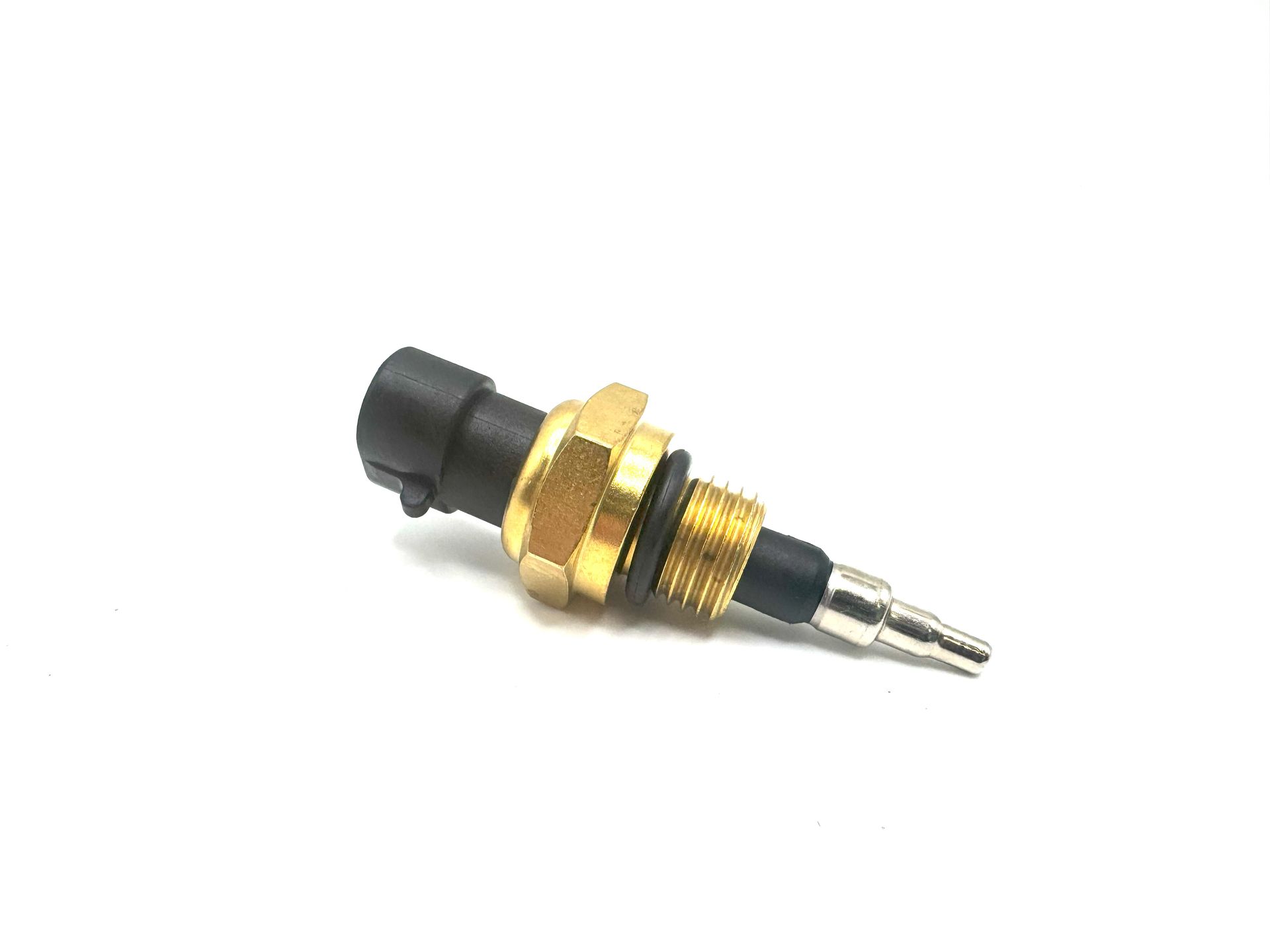
What a temperature or pressure sensor does.
Temperature and pressure sensors give the engine control unit the real-time data it needs to manage fuel, cooling, and protection systems. Coolant and oil temperature sensors guard against overheating; pressure sensors monitor oil, fuel, boost, and other circuits.
When these readings drift or fail, the ECU can miscalculate — hurting efficiency or triggering protective derates. PEX temperature and pressure sensors are mapped to OE response curves so the engine sees exactly the signal it expects.
Signs of a failing temperature or pressure sensor.
Catching a failing sensor early prevents downtime and cascading damage. Common warning signs include:
- Temperature or pressure warning lights on the dash.
- Erratic gauge readings that spike or drop implausibly.
- Poor fuel economy or rough running from bad ECU data.
- Overheating or false overheat warnings.
- Fault codes pointing to a specific temperature or pressure circuit.
How it's diagnosed.
Diagnosis involves comparing the sensor's reported value against a known-good reference at a given condition. A technician checks resistance or output against the expected OE curve and inspects wiring and connectors for corrosion or damage.
Because a single bad reading can trigger broader symptoms, confirming the specific faulty sensor prevents unnecessary parts replacement.
How to replace a temperature or pressure sensor.
A general guide for technicians. Location and access vary widely by engine. Always follow the service manual and relieve system pressure/coolant where required.
Tools & materials
- Basic hand tools (socket set, ratchet, torque wrench)
- Jack and jack stands, or a lift
- OBD-II / J1939 scan tool to read and clear codes
- Wire brush and contact cleaner
- Replacement PEX temperature or pressure sensor
Safety first
Park on level ground, chock the wheels, and never work under a vehicle supported only by a jack. Allow hot components to cool and relieve system pressure where applicable. Disconnect the battery if the service manual calls for it.
The steps
- Identify the sensor. Use fault codes to pinpoint the exact temperature or pressure circuit at fault.
- Prepare the system. Allow the engine to cool; relieve coolant, oil, or fuel pressure as appropriate before opening a circuit.
- Access and disconnect. Reach the sensor, unplug its connector, and clean the surrounding area to keep debris out.
- Remove the old sensor. Unthread or unbolt the sensor, catching any fluid release.
- Install the new PEX sensor. Fit with the correct sealant/washer as specified and torque to spec.
- Reconnect and refill. Reconnect the harness and top up any fluid that was released.
- Clear codes and verify. Clear faults and confirm the reading is accurate and stable at operating condition.
Why it matters to your operation.
Fleets
For fleets, accurate temperature and pressure data prevents both false alarms and missed real faults — avoiding needless downtime while protecting engines from genuine overheat or low-pressure damage.
Distributors
PEX combines temperature and pressure sensing into a practical, OE-matched range for distributors — dependable coverage of common engine-management circuits at aftermarket value.
Common questions.
Why does an OE-matched response curve matter?
The ECU interprets a specific signal-to-value curve. A sensor matched to the OE curve reports exactly what the ECU expects, avoiding miscalculation and false faults.
Can one bad sensor cause multiple symptoms?
Yes. The ECU uses temperature and pressure inputs across several functions, so one faulty reading can affect fuel economy, cooling, and protection logic at once.
Are these sensors interchangeable?
No — each circuit expects a specific sensor. Use the OE or cross-reference number to select the correct PEX part.
Temperature & pressure: 0 parts.
Our most-referenced parts, with photos first. Every part page shows its cross references and a quick fitment check.
Find your PEX temperature or pressure sensor.
Find the exact temperature or pressure sensor for your vehicle. Search by OE number, cross reference, or PEX part number.